Everyday French : Acheter une voiture – Écouter l’épisode
Learning everyday French is essential if you want to sound natural in real conversations. While textbooks teach you grammar and formal expressions, they often miss the casual phrases French people actually use in daily situations.
If you’ve ever wondered how to order coffee like a local or what to say when shopping at a French supermarket, here are some expressions you’ll find helpful.
Why learn everyday French phrases?
I’ve realised how important learning everyday phrases in your target language is actually CRUCIAL for basic tasks. You can learn all the grammar you want, but what if you do not know when to apply it for, let’s say, ordering coffee?
I’ve found myself in this situation multiple times while travelling, and had some trouble expressing myself while I was out doing… basic tasks.
Real everyday French is more casual, faster, and full of expressions you need to learn separately.
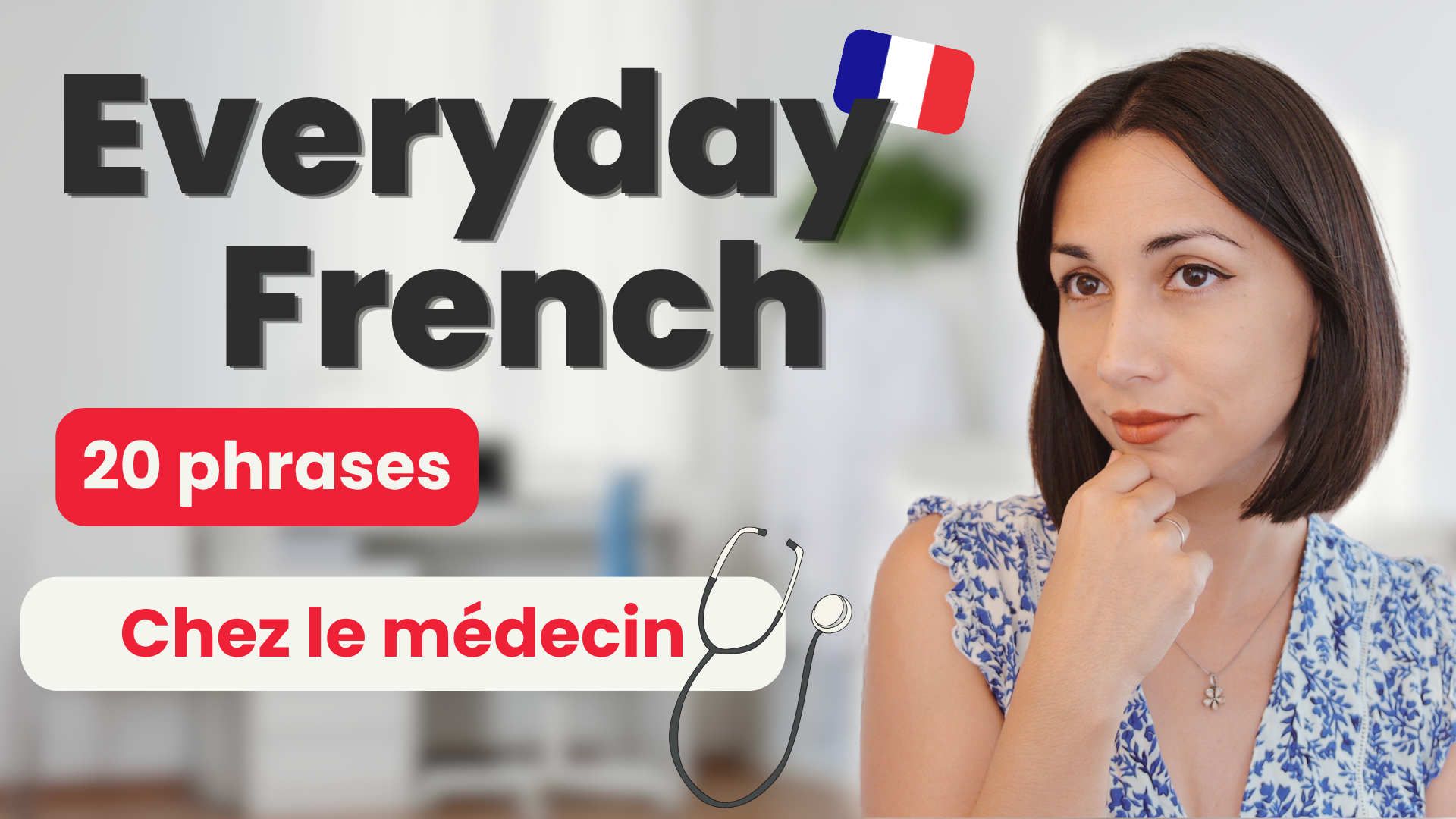
Français de tous les jours | Everyday French: Chez le médecin
“Bonjour, je voudrais prendre rendez-vous avec le Docteur Durand, s’il vous plaît.”
Hello, I’d like to make an appointment with Doctor Durand, please.
“C’est plutôt urgent. Vous avez de la place aujourd’hui ?”
It’s rather urgent. Do you have a slot today?
“J’ai rendez-vous à quinze heures.”
I have an appointment at 3 PM.
“Est-ce que vous prenez les nouveaux patients ?”
Do you take new patients?
“Tenez, voici ma carte Vitale.”
Here you go, here’s my Vitale card.
Vocabulaire :
le médecin = the doctor
le cabinet médical = the doctor’s office
la salle d’attente = the waiting room
prendre rendez-vous = to make an appointment
avoir rendez-vous = to have an appointment
c’est urgent = it’s urgent
avoir de la place = to have a slot/availability
un(e) nouveau/nouvelle patient(e) = a new patient
la carte Vitale = the French health insurance card
Vous voulez vous entraîner à pratiquer le français de tous les jours ? Essayez Langua !
20% OFF your annual UNLIMITED plan
with code EDEN20
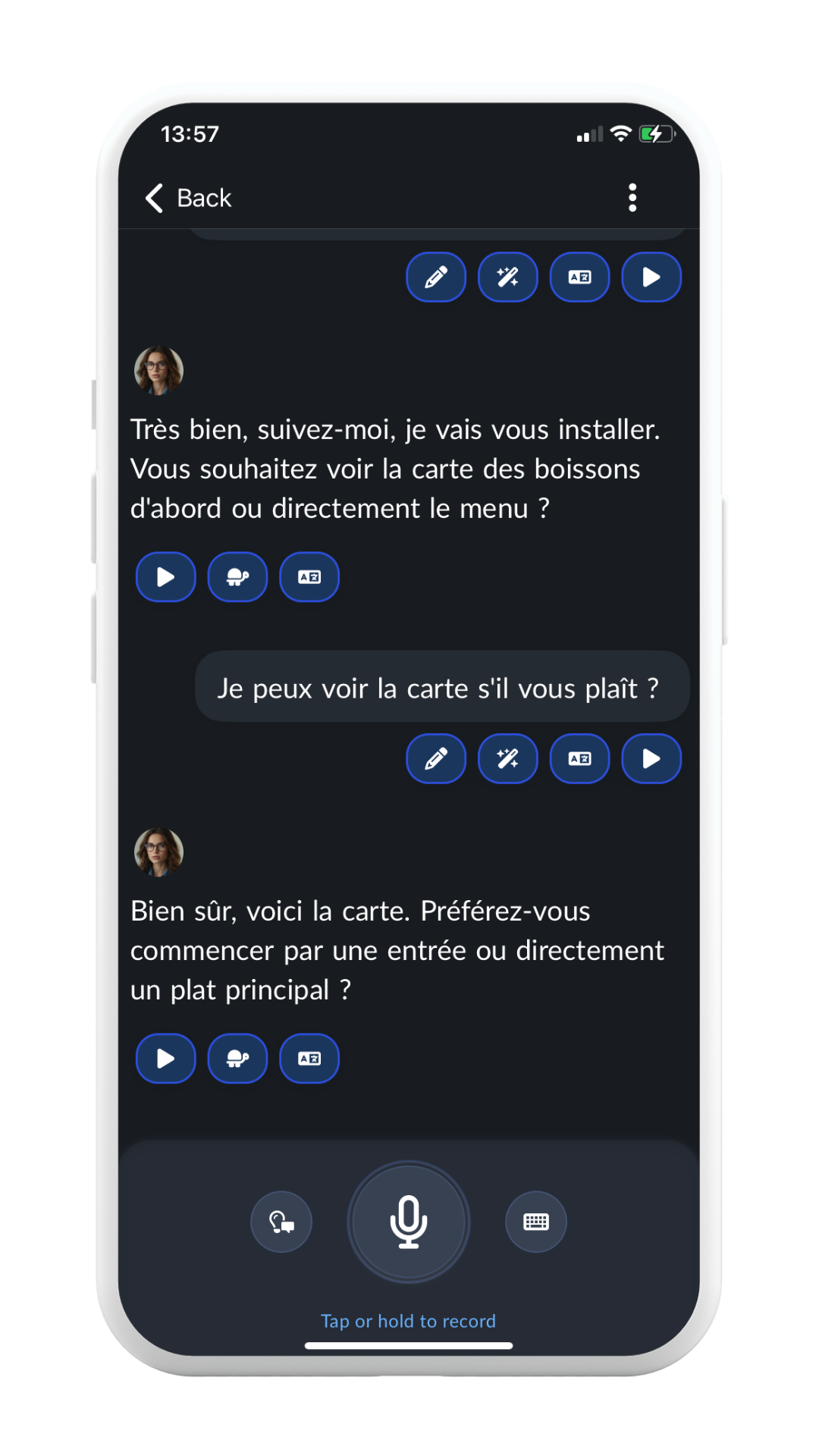
- Practice without pressure
- Get instant feedback and corrections
- Realistic AI voices
“Je me sens pas bien du tout.”
I don’t feel well at all. – Note for listeners: dropping the “ne” is standard in spoken French!
“Je suis super fatigué(e) depuis quelques jours.”
I’ve been really tired for a few days.
“J’ai de la fièvre et des frissons.”
I have a fever and chills.
“J’ai la tête qui tourne.”
My head is spinning / I’m dizzy.
“Je suis allergique à la pénicilline.”
I’m allergic to penicillin.
📝Vocabulaire :
se sentir bien / mal = to feel well / unwell
être fatigué(e) = to be tired
la fièvre = fever
des frissons = chills
avoir la tête qui tourne = to feel dizzy
être allergique à = to be allergic to
“J’ai mal à la tête / au ventre / à la gorge.”
My head / stomach / throat hurts.
“J’ai le nez qui coule et je tousse beaucoup.”
I have a runny nose and I’m coughing a lot.
“J’ai envie de vomir.” / “J’ai des nausées”
I feel like throwing up. / I have nausea.
“Je me suis fait mal à la cheville.”
I hurt my ankle.
“Ça fait super mal quand j’appuie là.”
It really hurts when I press there.
Vocabulaire :
avoir mal à… = to have pain in… / … hurts
la tête = the head
le ventre = the stomach/belly
la gorge = the throat
avoir le nez qui coule = to have a runny nose
tousser / la toux = to cough / the cough
avoir envie de vomir = to feel like throwing up
appuyer = to press
Understanding the Doctor
“Allongez-vous là, s’il vous plaît.”
Lie down there, please.
“Respirez fort… et toussez.”
Breathe deeply… and cough.
Prescription & Paying
- “Je vous fais une ordonnance pour des antibiotiques.”
I’m writing you a prescription for antibiotics.
- “Je dois le prendre combien de fois par jour ?”
How many times a day do I have to take it?
- “Ça fait combien pour la consultation ?” / “Je vous dois combien ?” / “Combien je vous dois ?”
How much is the consultation? / How much do I owe you?
Vocabulaire :
une ordonnance = a prescription
un médicament = a medication
la consultation = the (doctor’s) visit/consultation
You might also like
Et vous ? Connaissez-vous d’autres expressions utiles en français de tous les jours ?
Do you know any expressions that could be useful in everyday French?